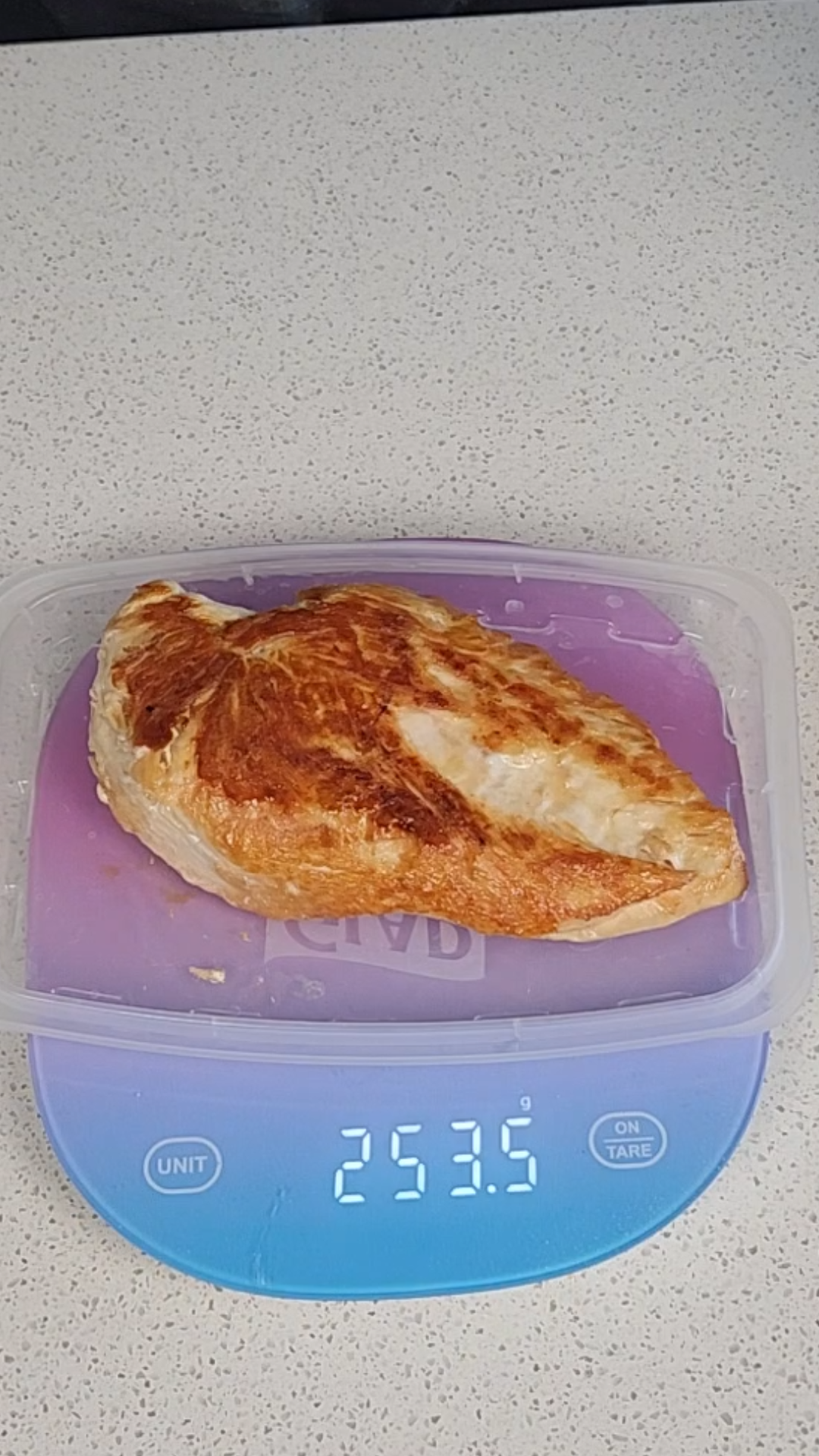
Ever cook yourself a large juicy steak or chicken breast, plate it up and then look down only to see a tiny piece of meat adorn your plate? Wondering where the grand slab of protein went? No it’s not a trick of the light, it’s the much more exciting answer, or boring depending on who you ask, Science! Meat shrinks as you cook it (all food really). Let’s look into why it shrinks and how this affects your cooking.
The Short Answer: Why Meat Shrinks When Cooked
I won’t keep you waiting for the answer
TLDR:
Meat shrinks as it cooks, due to the contraction of muscle fibers. These fibers continue to shrink as the temperature of the food increases. This shrinking “squeezes” the water and rendered fat from the meat.
There is no way to completely avoid the muscle fibers shrinking when cooked. This is a natural phenomena of muscle fibers as they cook. Think of your meat as a sponge. As your food cooks the sponge is squeezed, and the juices are removed.
There are ways to help this process and understanding it will improve your cooking drastically. This is what we will be discussing in the rest of this blog.
How Much Does Meat Actually Shrink?
A quick look at average shrinkage rates of different meats
Beef (steak): 20–25%
Ground beef: 25%
Chicken breast: 20–25%
Pork: 20–25%
Fish: 15–20%
Different meats have different shrinkage rates. There are many different factors that effect the potential shrinkage rate of your meat. Cut, finish temp, breed, if its been aged, if its brined, fat content, size of cut, cook temp and much more all play a large factor in how much your meat will shrink. The numbers above are generalizations for you to get an idea of how much your meat shrinks. There is no accurate way to know exactly how much your meat will shrink from cooking. This is why it’s best to weigh your food before cooking. This is discussed in depth below.
The Science of Shrinkage (Broken Down)
Protein Contraction
The main reason your meat shrink is due to the contraction of the muscle fibers
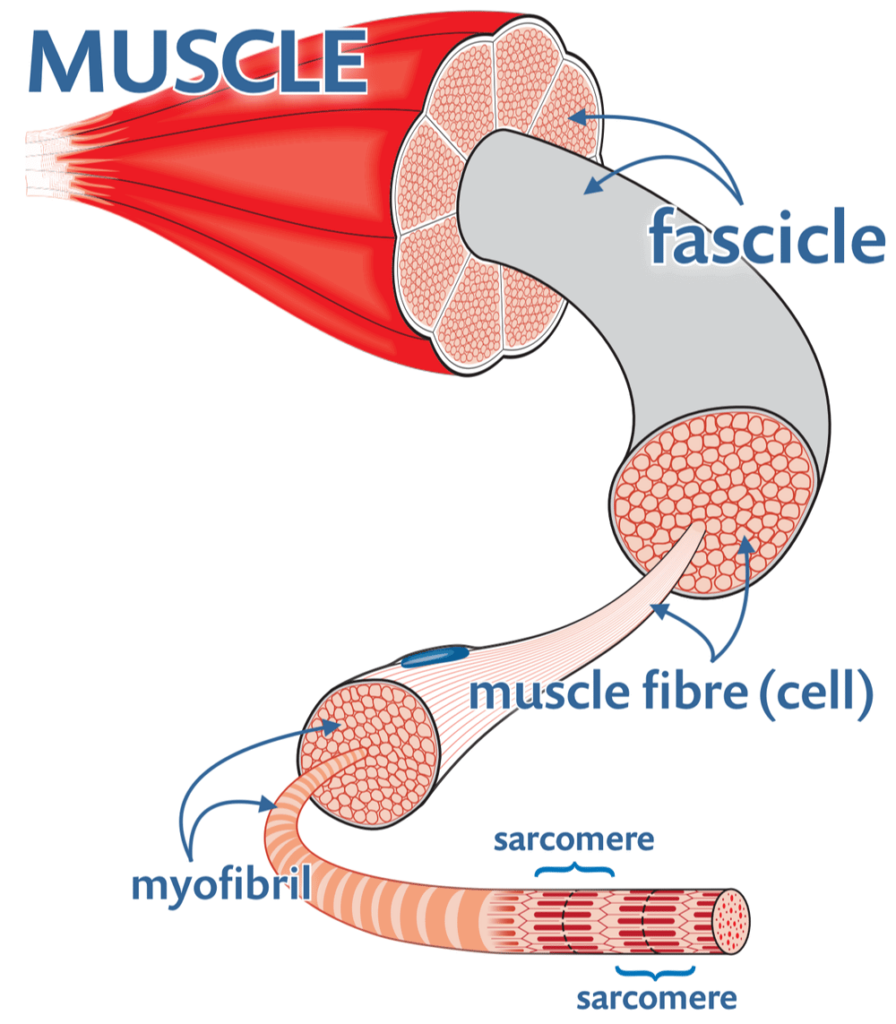
Let’s do a quick run down of the anatomy of muscles. Starting from the largest size and going smaller we have the muscle, which is made up of many fascicles. These fascicles are what we typically reference in cooking as the grain of the meat. The fascicles in a muscle all align parallel to one another. These Fascicles are made up of a many muscle fibers. Within these muscle fibers we find myofibrils. These myofibrils are comprised of many sarcomeres. These are the means by which muscles contract and release, therefore what we care about when it comes to cooking.
https://www.painscience.com/articles/dance-of-the-sarcomeres.php
These sarcomeres are made up of two parts, the actin and myosin. I like to think of these as a shaft and hole. They fit inside one another. When a muscle stretches these myofibrils elongate, then when a muscle is contracted the myofibrils squeeze together. When an animal is slaughtered these typical functions of the sarcomeres are disrupted. Tends to happen with death. The actin and myosin remain tightly squeezed together, never relaxing. This is rigor mortis. By letting the meat age before butchery, the actin and myosin relax and the muscles become more tender.
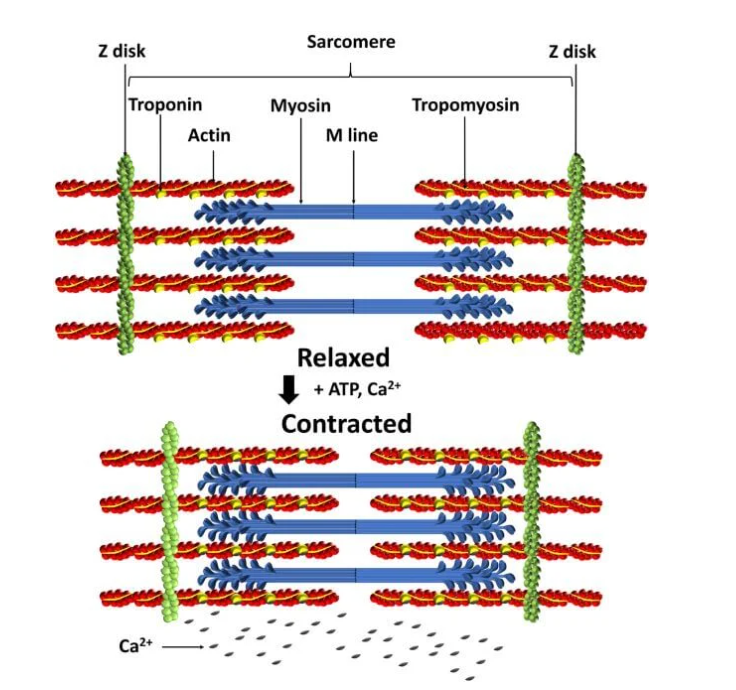
The interaction between actin and myosin are not done here. This dynamic is what makes raw beef tough, medium rare beef tender and well done beef even tougher.
The completely “natural”, i.e. not denatured, state of actin and myosin are quite tough. If you wish to test this merely take a bite of a completely raw piece of beef. To improve the tenderness the meat we want to denature the myosin. This is done through cooking.
Between 104-122 F myosin is denatured in meat. This means the muscle fibers begin to relax and elongate. This results in a more tender piece of meat and a more enjoyable eating experience. After 122 F there is a negligible difference in the product due to myosin. Since we want the effects of the denatured myosin, we can conclude that we must achieve an internal temp of 104 F but in reality at least 122 F for optimal eating results.
I wish the answer was as easy as, “Cook it over 122 and you’re good.” But alas, it is slightly more complex than that. At 150-163 F Actin starts to denature. Denatured actin makes meat notably tougher and squeezes a large amount of the juice out of your meat. This is the danger zone of where you really start to ruin your meat.
This leaves us trying to balance multiple things. We want to denature the myosin without denaturing the actin. Leaving us a scientific good zone of 122-150 F.
Ok, that was quite a bit of technical jargon, so let’s break it down to usable facts.
Muscle fibers are tough when completely uncooked. To tenderize the meat through cooking we want to denature the myosin. This happens once the internal temp of the meat reaches 122 F. However once we achieve temperatures exceeding 150 F we start to denature the actin, resulting in tougher and dryer meat. The denatured actin squeezes all the juices out of your meat, shrinking it and resulting is a much less tender and juicy final product. NOTE: This does not take into account foodborne illnesses. This point is best illustrated with beef as there are no dangers to undercooking beef, as opposed to poltury.
Make graphic showing myosin denature point/range and actin denature point/range. Ie show the optimal zone
Of note, the optimal range for fish is slightly different at ~122-140 F. This can change depending on the exact type of fish used, but is a good rule of thumb.
Moisture Loss
Moisture loss is the main cause of the weight/mass of your meat changing during cooking
Meat is ~70% water. As you cook your meat you will evaporate off some of this water. This also contributes to the shrinking of your meat.
The temperature of your cooking does affect this however. Meat cooked over open flame or a very hot skillet will loose more moisture content as opposed to a sous vide cook. This however has a smaller effect than the muscle fibers. Contracting muscle fibers, due to denatured actin, will “squeeze” out much more moisture from your meat than a hot pan could.
Fat Rendering
Another factor of your meat shrinking and loosing mass is due to intramuscular fat rendering. As you cook your meat the solid fat within and around the meat, begins to liquify. Some of this liquid fat drips from your food. This causes the hard fat on or in your meat to shrink and the mass to be lowered.
The effect of fat rendering is much smaller in leaner meats like chicken breast and fish. But a larger contributing factor to cuts such as bacon or some a5 wagyu. If you wish to see this personally, render some tallow. You will notice the suet, or hard fat, will lose most of its size throughout the cooking process. Don’t know how to render tallow, I can show you here
Factors That Affect How Much Meat Shrinks
Many factors can effect how your meat shrinks during cooking. While shrinkage during cooking is not always a bad thing, let’s talk about what causes the discrepancy between precooked and cooked weight.
Cooking temperature (low and slow vs. high heat)
Higher Heat = More loss
The hotter your cooking implement the more water you will cook off. Higher heat makes muscle fibers constrict faster. While this doesn’t inherently hurt the final product, it does tend to lead to overcooked food. Food cooked at higher temps will have more carryover cooking. It’s alot harder to accurately gauge where you meat will finish cooking when seared over an open flame vs a low and slow smoker.
Blasting your meat over high heat with no breaks is a harsh way to cook. If you want to have tender juicy meat, you want to be gentle with your food, not harsh.
Cooking method
Yes this effects the water loss but it is more about the heat at which you are cooking. So yes an open fire is different than sous vide, but that’s due to the temp of your grill vs water bath.
Fat content of the cut
High fat content foods will shrink notably during cooking. This is most notable with meats like bacon or wagyu a5.
Cooking time / doneness level
This is by far the most important factor. When meat is cooked above 150 F the muscle fibers constrict. This constriction squeezes up to ~45% of its precooked weight.
Whether the meat was brined or marinated
Brined meat loses less weight than an unbrined piece of meat. Marinades don’t innately help retain weight during cooking, however a high salt marinade can help.
Thickness of the cut
How to Minimize Meat Shrinkage (7 Pro Tips)
Don’t overcook your food
This is the single most important tip. By cooking your food above 150 F (or 140 F for fish) you significantly constrict the muscle fibers. This exponentially increases the amount of water content lost during cooking. Also significantly increases the toughness of the food. Overall, overcooking your meat is the worst thing you can do for quality. The best way to prevent this is to use meat thermometers when cooking.
Rest your meat
Resting your meat allows the muscle fibers to relax and the juices to redestribute throughout the meat. This will prevent the steak from squeezing out any more juices when you cut into it. The best result of this is a juicier tasting steak.
Don’t Press or Squeeze your meat
Every time you squeeze or press on your meat, you push juice out of your meat. I recomend you manipulate your meat as little as possible. Note: this isn’t the same reason why we smash our patties for smashburgers.
Brine meat to retain moisture
Brined meat retains more moisture content than unbrined meat. By salting your meat early, either in a wet brine or dry brine, you can help retain moisture content when cooking.
Thicker cuts are better
Thicker cuts have 2 things going for them. First you have less surface area to lose moisture through. Second, the thicker meat cooks slower, allowing more time to prevent overcooking. Thicker cuts don’t fix moisture loss but they do give you a buffer when cooking.
Cook at lower temperatures
If you are dead set on reducing the weight loss due to cooking, they you should cook meats at a lower temperature. This will reduce the amount of water lost due to evaporation and keep meat juicier.
Sous Vide your meat
By cooking your meat under the boiling point of water, you don’t loose any water during the cooking process. This is the ultimate way to negate weight loss during cooking.
Should You Weigh Meat Raw or Cooked? (For Macro Tracking)
The quick answer is before cooking. This always more accurate, because it removes any varrience from cooking. A medium rare steak will have a different nutritional concentration than a well done steak. Mainly due to the change in water loss. Water loss exponentally increases when you cook mean over 150 F. If you want accurate macros you want to measure your food before cooking. This goes for all foods, not just meats. If you weigh your food post cooking, don’t fear, you are still getting results, but the accuracy of your measurments will vary depending upon how the meat has been cooked.
FAQs
Does meat lose protein when it shrinks?
No, there is no notable protein loss from cooking. What you’re losing is flavor and mouthfeel in the form of fat, water and tenderness.
Does ground beef shrink more than steak?
Yes, this is due to the higher fat content of ground beef
How do you cook meat without it shrinking?
Sous vide and lower temp cooking methods help reduce shrinkage, however this doesn’t completly prevent the shrinkage in meat.
Why does chicken shrink so much?
Chicken shrinks so much due to the low fat content and high finish temp. Low fat content means more water content in chicken, when combined with a finish temp over 150 F, this means a large amount of water is lost during cooking.
Does frozen meat shrink more?
Yes, frozen meat does lose more moisture than fresh. This is more noticable if cooked directly from frozen, which I don’t recomend you do.
Conclusion: Know the Science, Cook Smarter
Meat shrinks during cooking mainly because of muscles contricting, causing moisture and rendered fat to me squeezed out of the meat. This occurs typically over 150 F and is also the cause of meat getting tougher at higher temperatures. Higher fat content meats, such as bacon, will also shrink more as there is a larger content of fat rendering as compared to a lean cut of meat.
If you read nothing else, I wish it to be this. Meat shrinkage is unavoidable and should not be your concern when cooking. The larger concern is muscle fiber constriction. As you cook mean over 150 F, you significantly righten the muscle fibers. This results in exponentially more moisture loss and toughness in your food. The amount your meat shrinks is not worth obessing over tenderness and juiciness in your meat is.